“WorkBoard is indispensable for driving organizational clarity and marshaling resources to the most important value-creating activities. It's the backbone of our operating model, allowing us to scale even in super dynamic environments.”
Before WorkBoardAI
- Strategy Lost in Translation after Offsites:
Quarterly strategy sessions had become multi-day “death marches,” yet even the CMO could not recall all five strategic initiatives or align decisions to them just 48 hours later—making it nearly impossible for L4/L5 employees to act in sync with the strategy. - High-Growth Chaos without Scalable Operating System:
In a triple-digit CAGR, headcount-doubling B2B SaaS environment, the strategy was constantly evolving with many new hires and no durable mechanism to keep everyone clear on what mattered for the next 90 days. - “Intergalactic Asana Mess” and Tool Sprawl:
Work and priorities lived in a sprawling Asana setup that “just wasn’t gonna scale anymore,” leaving no coherent way to connect daily activities to strategic priorities or manage OKRs as the organization grew. - Organizational Friction from Misalignment and Low Transparency:
Resource contention, competing priorities, and ambiguity over who decided “X vs. Y” created dysfunction, with change initiatives often treated as something people worked on after their “day job” rather than the core of the job.
Value & Results
- Enterprise Operating System for Strategy Execution:
WorkBoard underpins a five-part operating model—value mapping, instrumentation, financial linkage, OKR process, and cadence—turning OKRs into the vehicle to marshal organizational resources toward the most important value-creating activities. - Deep Alignment and Role Clarity to the Financial Model:
With OKR cascades, scorecards, and cultural OKRs, every team and individual learns how their work creates value and ladders up to the financial plan, reducing friction and enabling “one team” collaboration across internal customers. - Faster Cycle Time and Higher-Quality Decisions
WorkBoard is embedded into a tightly synchronized meeting rhythm (ELT, SLT, staff, and one-on-ones), so OKRs and KPIs are reviewed weekly, action plans are tracked in the same place, and strategic decisions have at most a two-week feedback loop to learn and course-correct. - Transparent, Data-Driven Culture Scaled with AI:
Integrated KRs, dashboards, check-in templates, one-on-one agendas, and WorkBoardAI capabilities help teams “embrace the red,” surface issues early, and guide performance and OKR conversations—rewarding intellectual honesty and reducing “watermelon metrics” that look green outside but are red within.
Conclusion
Across three organizations, Erik has used WorkBoardAI to turn OKRs from an after-hours exercise into the core operating system of the business. WorkBoard’s integrations, dashboards, and AI support allow him to instrument the value-creation flow, keep weekly attention on the most important KRs, and localize decisions throughout the organization with a feedback loop of about two weeks from decision to learning. The result is a more transparent, data-driven culture where teams know how they create value, surface red metrics early, and systematically marshal resources to the company’s strategic priorities.
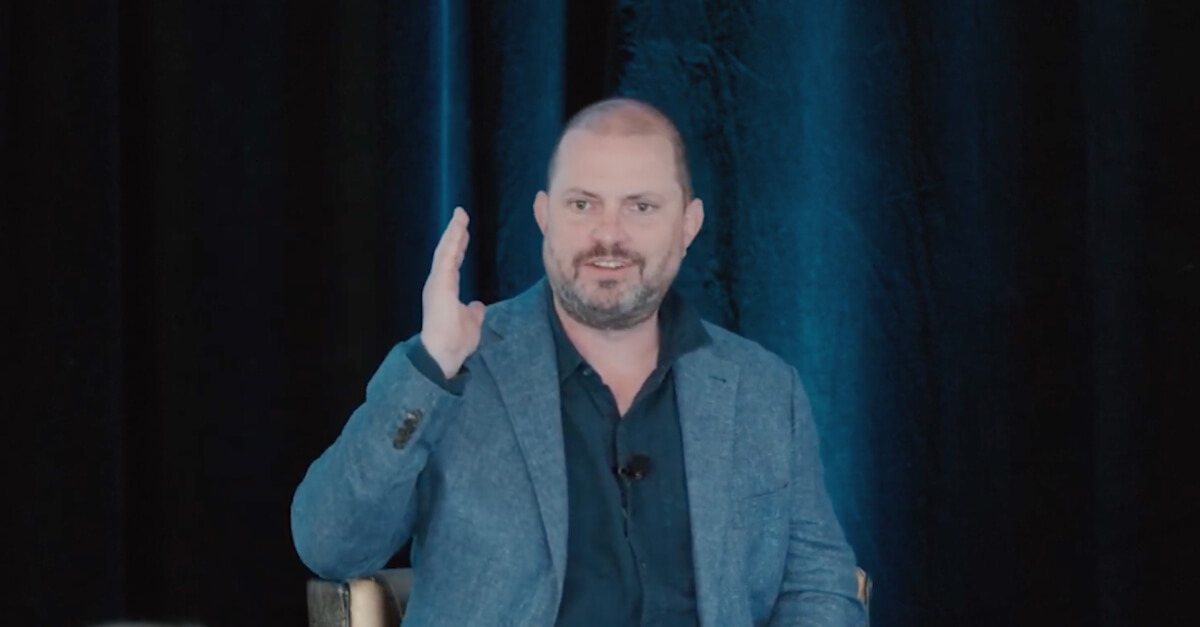
In this live conversation from the Acceleate 2024 Conference, Erik Huddleston, CEO of Aprimo and a multi-time high-growth SaaS CEO, shares how he has rolled out WorkBoardAI three times as a chief executive and multiple times as a board member. He walks through his structured operating model for creating enterprise value, how he uses OKRs, instrumentation, and a tightly run cadence of business to drive organizational clarity, transparency, and cycle time, and how WorkBoardAI is embedded into his meetings, culture, and leadership practices.