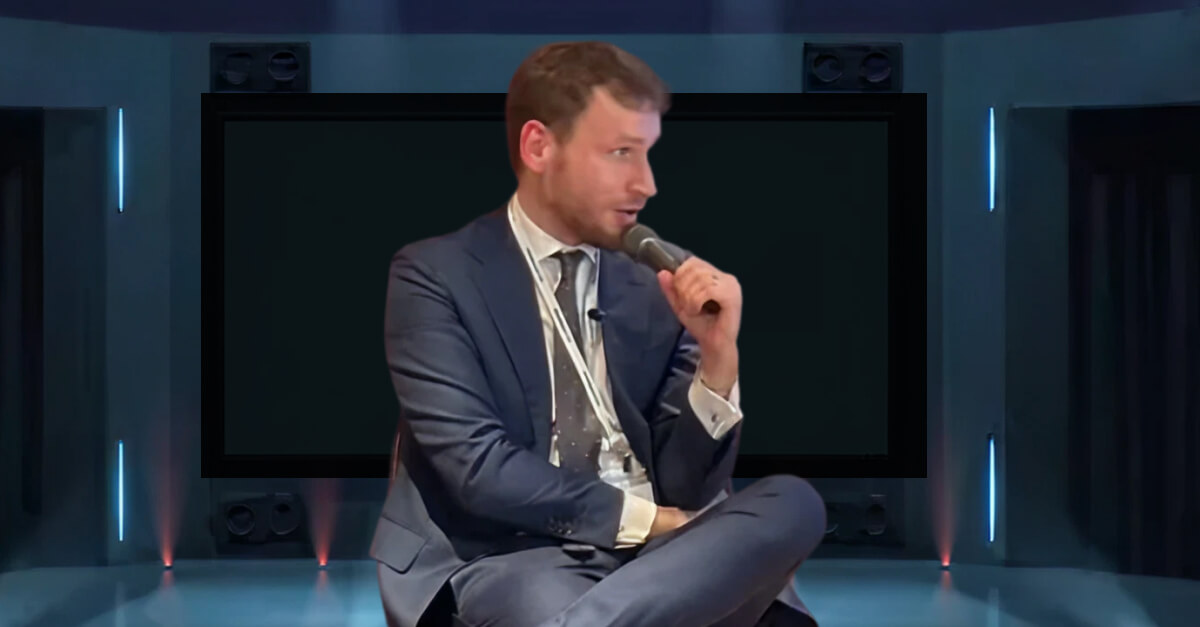
In this live presentation from the 2025 Accelerate London Conference, Stefano Corradino, Head of Group PMO at Gruppo Sella, shares how his organization has systematically transformed strategy execution using OKRs, WorkBoard, and AI. Stefano explores the evolution from an early OKR pilot to enterprise-wide adoption, the governance model and execution rituals supporting alignment at scale, and how AI capabilities such as Co-Author, scorecards, and automated summaries are improving OKR quality, speed, and leadership decision-making across the organization.
The Challenge
- 51 strategic programs, 554 projects and 2000 people to align, coordinate and get visibility.
- Cross-functional and cross-team coordination were difficult at the speed they need to execute.
- Needed to reduce overhead and burden of MBRs and QBRs while increasing the flow of information.
The WorkBoardAI Solution
- 51 strategic programs with 554 projects involving 2000 people are aligned, coordinated and transparent in WorkBoardAI.
- Alignment quality and acceleration are equivalent to 10 weeks of execution capacity for 100 teams.
- “Every Friday, all top management receives an AI brief from WorkBoardAI on progress on our strategic priorities and is ready for Monday.”
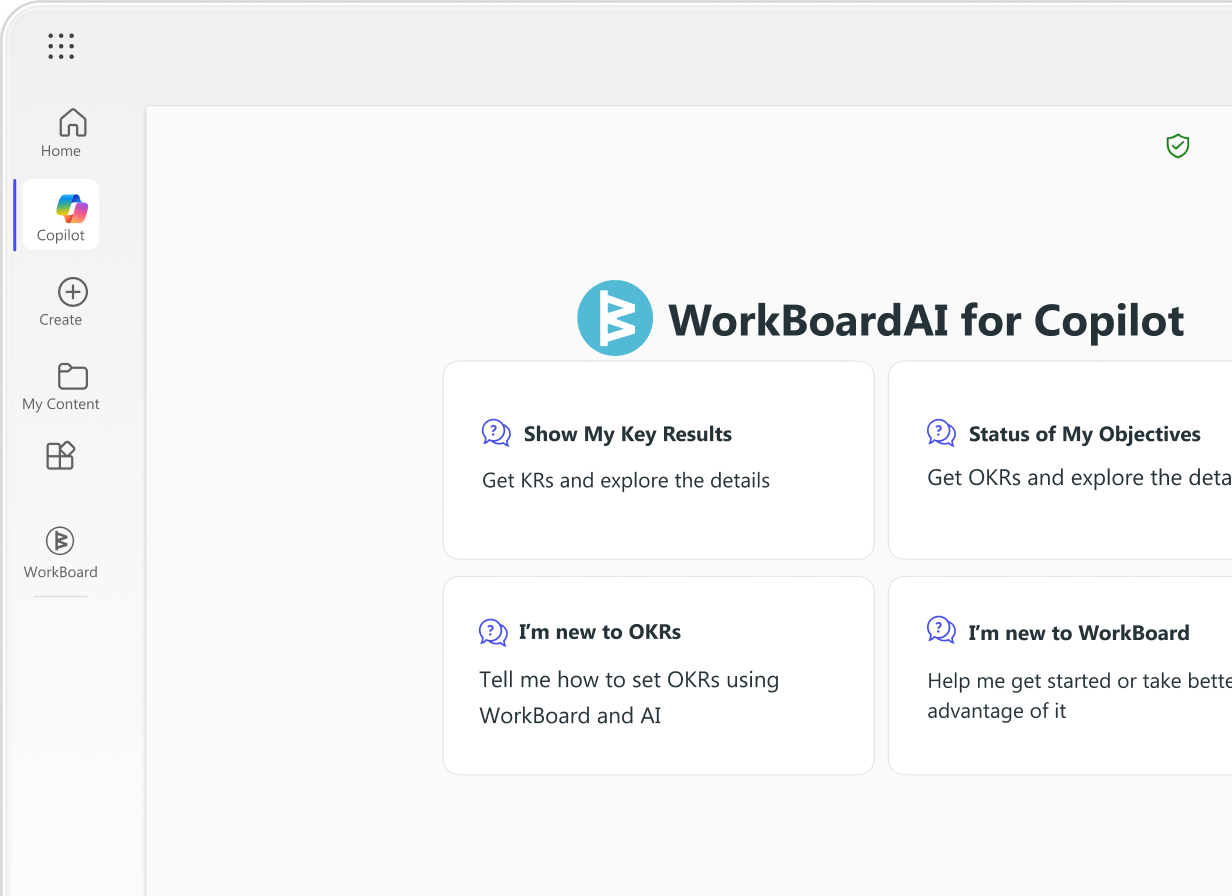
- 25% of people use the AI daily to focus and solve problems faster.
Conclusion
By implementing WorkBoardAI, Gruppo Sella moved from fragmented, manual execution management to a structured, AI-enabled operating cadence that scaled across the enterprise. The organization achieved adoption of OKRs across approximately 90% of organizational units, reaching more than 1,000 active users on the platform. AI capabilities—particularly Co-Author and AI-generated summaries—materially improved OKR quality, alignment, and measurability, while also reducing the time required to define OKRs by roughly 50%. Leadership gained consistent, real-time visibility into execution through scorecards, automated weekly summaries, and standardized business reviews, enabling faster identification of risks and blockers. Importantly, AI became embedded in daily and weekly execution rituals, with a meaningful portion of users regularly relying on AI summaries to prepare for leadership conversations, reinforcing execution discipline and strategic focus at scale.

