“Our journey with the WorkBoard team is about creating a people-first strategy management system — not just WorkBoard the tool, but the people, the processes, the way that we work.”
Before WorkBoardAI
- Strategy Developed in Isolation:
Mars’ executive team crafted strategy in a “secret room” with consultants, then unveiled vague priorities like “pivot to tailwinds” and “win in winning channels,” leaving the organization without clarity on meaning, implications, or required actions. - Lack of Strategic Line of Sight and Role Clarity:
Associates at all levels—directors, managers, operators—had little understanding of how strategic priorities connected to their work. People defined goals independently, resulting in conflicting interpretations, fragmented OKRs, and disengagement. - Chaotic Execution Environment and Reactive Culture:
Without a shared strategic foundation, the company frequently spun up war rooms, tiger teams, and SWAT teams to address crises. This constant fire-drill culture created whiplash, burnout, and significant operational inefficiency. - Failed Early Attempts to Digitize Strategy and Mandate Tool Adoption:
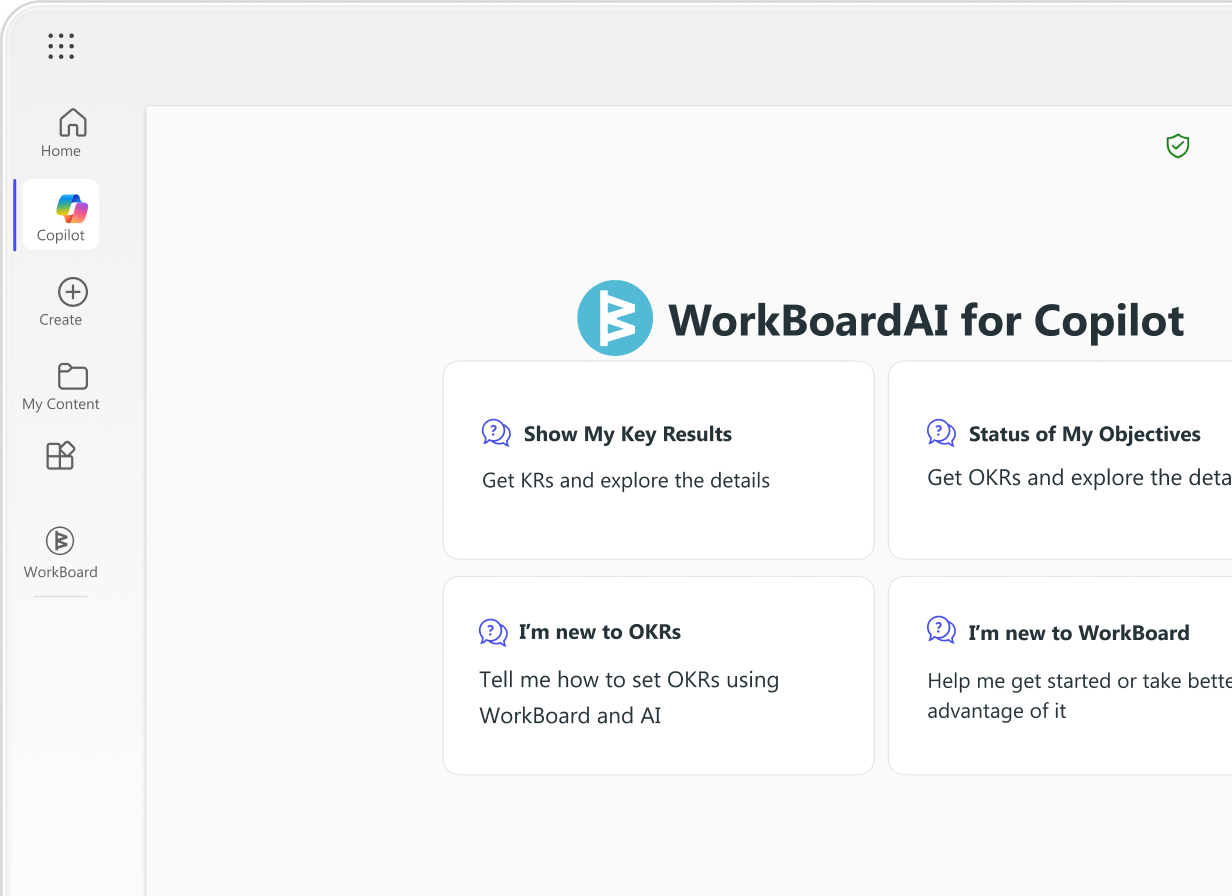
When WorkBoardAI was first introduced as a powerful tool for managing strategic initiatives, leaders were apprehensive, adoption stalled, and the tool was misapplied as a substitute for missing operating disciplines and governance. Mars leaders failed to fully lean on WorkBoard's expertise as they rolled out the platform.
Value & Results
- Unified Strategy and Operations into an Integrated Portfolio:
Mars redesigned its strategy management operating model using WorkBoardAI as the digital foundation, bringing strategic planning, operational deployment, and execution into a coherent, connected system. - Clear Enterprise Priorities and Measurable Results:
A structured series of leadership workshops and digitized OKRs clarified enterprise-level choices and outcomes, enabling leaders to communicate precise, actionable objectives and measures to the middle and frontline layers. - Consistent, Human-Centered Strategy Deployment:
WorkBoard enabled new behaviors—shared ownership, cross-functional empathy, and transparency—by giving teams clarity on their role in strategy execution and a common framework for aligning decisions to the “golden thread” of strategy. - Scalable Execution Model Supporting Massive Organizational Change:
The WorkBoard-enabled operating model positioned Mars to navigate major disruptions, including supply-chain volatility, skyrocketing cocoa prices, and the forthcoming merger with ANOVA—doubling the business and integrating 8,000 new employees.
Conclusion
Through WorkBoardAI and a redesigned strategy-management operating model, Mars created a unified, transparent, and scalable approach to execution. Leaders now establish clear enterprise priorities, functional teams translate them into actionable objectives, and associates understand how their work drives strategic outcomes. This alignment has reduced organizational chaos, strengthened accountability, and enabled Mars to navigate major transformations—including supply-chain shocks and a large-scale acquisition—with far greater clarity and stability.
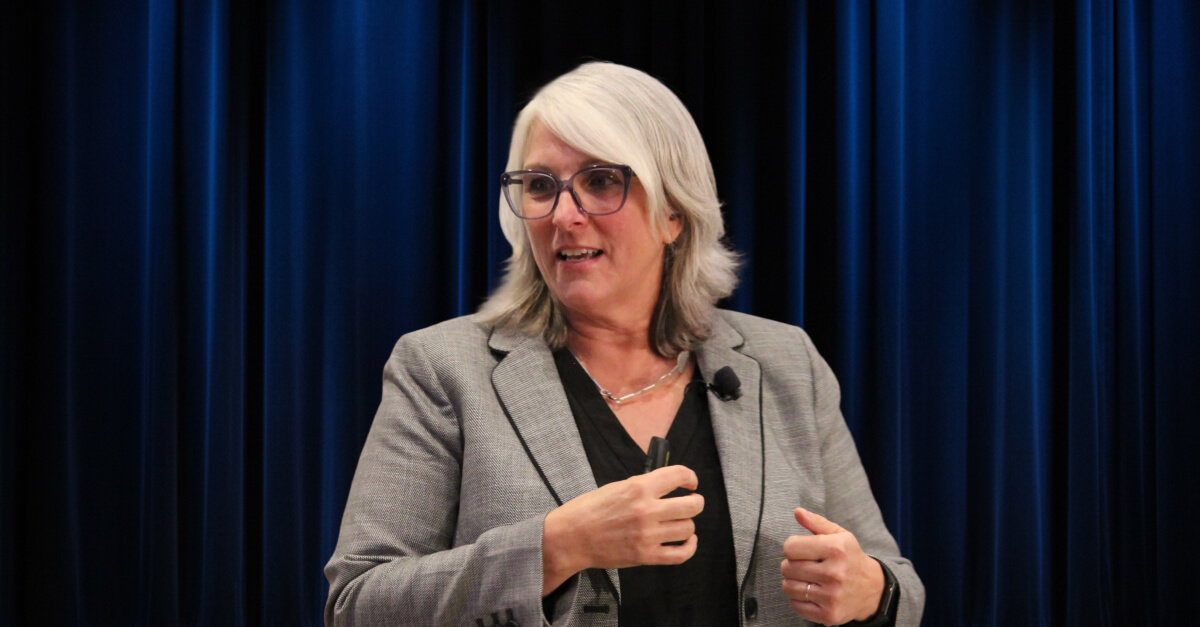
In this live presentation from the Accelerate 2024 Conference, Beth Dawson, Director of Strategic Initiatives at Mars, shares the company’s multi-year journey to build a human-centered strategy-management system. Drawing on her experience in strategy, operations, and organizational change, Beth explores how Mars moved from opaque, leadership-only strategy creation to an integrated model of enterprise alignment, deployment, and execution—powered by new processes, behaviors, and partnership with the WorkBoard team.