“WorkBoard transformed the way we operate. Now, our strategy isn’t buried in PowerPoints or spreadsheets—it’s a dynamic, real-time system that keeps the whole team accountable and driving results every single week.”
Before WorkBoardAI
- Lack of a Meaningful Cadence for Leadership Focus
Bharath struggled with inconsistent meeting rhythms that caused fragmented visibility into risks, unclear expectations for his directs, and a leadership model that often defaulted to reactive work instead of strategic priorities. - Diffuse, Hard-to-Access Priorities and Metrics
Key objectives and measures existed across Word docs, PowerPoints, BI reports, and other places, creating overhead, confusion, and an inability to convey a single source of truth for what mattered most. - Ambiguity in Organizational Alignment and Accountability
Before the workshop, there was no extreme clarity about which objectives mattered, how success would be measured, or who owned what, leading to unnecessary debates about definitions, what belonged in WorkBoard, and how to interpret priorities. - Excess Attention on Low-Value or Irrelevant Work
Bharath routinely received updates on items he did not care about, while teams invested effort in pet projects or tasks not tied to strategic outcomes—reinforcing reactive behaviors and preventing focus on transformation.
Value & Results
- Extreme Strategic Clarity That Cascades Across the Organization
Bharath created a one-page view of quarterly objectives and key results that eliminated guesswork and ensured every person—down to 350–400 staff—understood what the business cared about and how their work contributed. - A High-Efficiency Operating Rhythm That Reduced Meeting Time and Cognitive Load
Alternating weekly one-on-ones and staff meetings, anchored in WorkBoard updates, shortened staff meetings to as little as 15 minutes and removed the burden of pulling data from scattered sources. - Faster Risk Identification and Proactive Issue Management
By inspecting key results every week through WorkBoard, risks surfaced before becoming crises, enabling rapid course correction and reducing the reactive work that previously dominated attention. - Improved Cross-Functional Alignment and Scalable Reporting
WorkBoard became the core system for shared OKRs, monthly all-hands reporting, transparency with engineering and infrastructure teams, and streamlined data plumbing from Salesforce, Power BI, and case systems—allowing the organization to update and present performance with far less administrative effort.
Conclusion
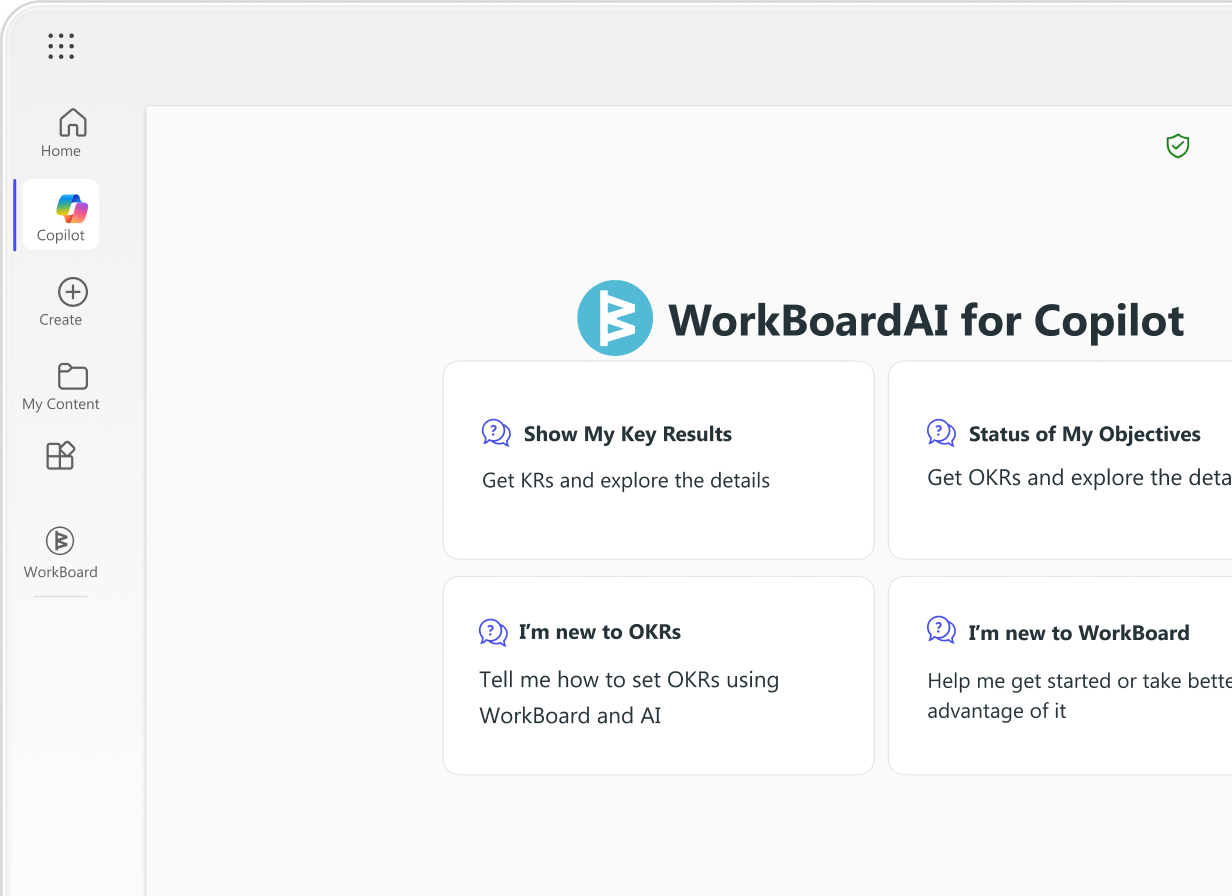
By implementing WorkBoardAI and adopting an operating cadence anchored in weekly visibility, Q2 achieved extreme strategic clarity, reduced wasted effort, accelerated risk detection, and dramatically improved alignment within and across teams. Monthly all-hands and leadership reviews became streamlined, meeting times compressed, and more than 350 employees gained clear sightlines into priorities and their role in achieving them. The result was a more focused, confident, and execution-rigorous organization.
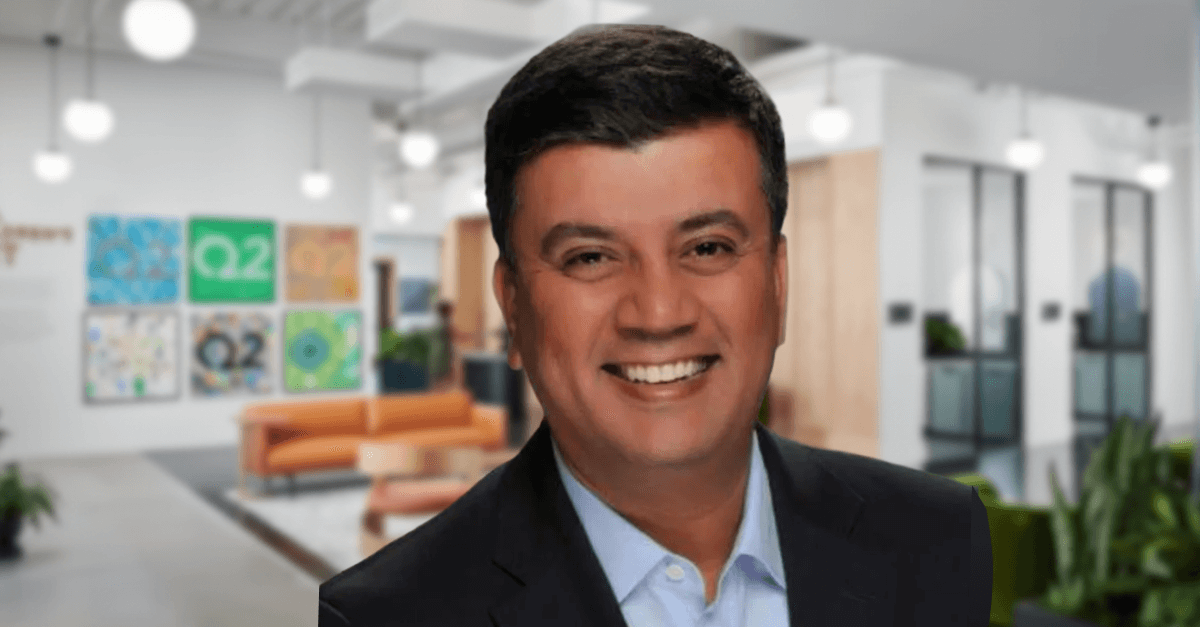
In this OKR Podcast conversation, Bharath Oruganti, Executive Vice President at Q2, reflects on how a leadership workshop and renewed understanding of OKRs transformed his management model. He discusses the challenges of alignment and accountability in a high-growth FinTech environment, the pivotal shift in how he uses WorkBoardAI, and the operating rhythm that now sustains clarity, focus, and cross-functional execution across his organization.